Scientific Plant Services


Turf Disease Control

Scientific Plant Service has been looking at sick lawns for decades. Turf Disease Control is our way of taking the guesswork out of that process so you are not treating the wrong problem or wasting money on products that do not help.

Call now for $10 off.

Call Us
Submit Form

Call us today

It’s never been easier to have a beautiful lawn. Call today to lock in your savings and get two FREE applications. But time is running out!


Hours

Monday - Friday: 8:30am to 5:30pm EST
Saturday: 9:00am to 2:00pm EST

6673594393

Call now for $10 off.

Name(Required)

Text Message Scheduling

Opt into our text messaging platform to begin your program and schedule with us today!

Looks like no phone capture form has been configured in Site Settings.

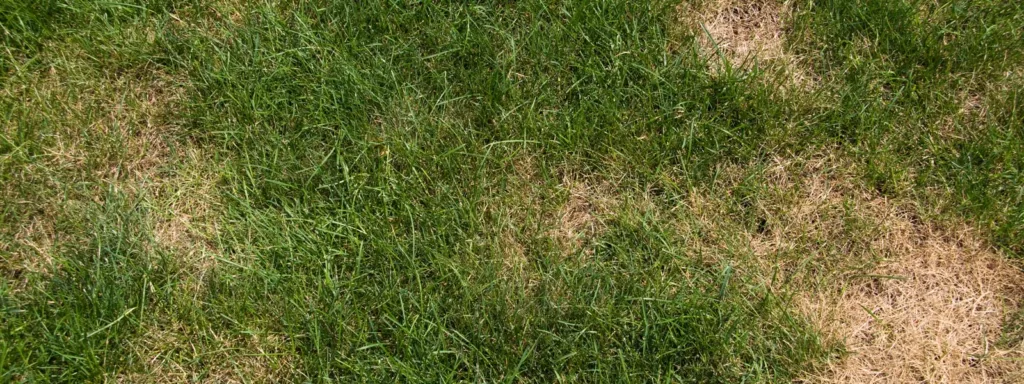
Some lawn problems sneak up on you. One week the yard looks fine, and a few days later you are staring at brown circles, straw-colored patches, or odd gray spots on the blades. Watering does not fix it. Fertilizer does not fix it. That is usually a sign you are dealing with turf disease, not just stress.

Is It Really a Disease?

A lot of lawns are treated for “disease” when something else is going on. Heat, drought, dull mower blades, compacted soil, or grubs can all make turf look bad. Before we ever talk about fungicides, we want to know what is actually happening.

On a disease visit, your rep will usually:

- Ask when you first noticed the damage and how fast it changed.
- Look at patterns: only in sun, only in shade, or scattered everywhere.
- Check mowing height and recent watering habits.
- Get down into the canopy to look at the crown, thatch, and roots.

If it is a disease, we say so and tell you which one. If it is something else, we tell you that instead and explain the next step. You are never just handed a treatment “because it might help.”


Common Turf Diseases We See

The Mid-Atlantic climate is perfect for certain lawn diseases. They tend to show up at the same times each year, but weather and site conditions can make them better or worse.

Some of the usual suspects include:

Brown patch

Circular or irregular brown areas in summer, often in tall fescue when nights are warm and humid.

Dollar spot

Small, straw-colored spots that can merge into larger areas, often on underfed turf.

Red thread / pink patch

Pinkish or reddish threads on the tips of grass blades in cool, wet weather.

Rust

Orange dust on shoes or mower wheels after walking across the lawn.

Snow mold

Matted, discolored patches that show up after snow melts on unfrozen ground.

Each of these responds to different fungicides and different cultural changes. Treating them all the same rarely works well.

How We Build A Disease Control Plan?

Once we know what we are dealing with, we put together a plan that makes sense for your lawn. That usually involves two parts: treating the active disease and changing conditions that helped it get started.

A typical program might look like this:

Step

1

Diagnosis and explanation
We walk the lawn with you, point out what we see, and describe the disease in plain language so you understand what is happening

Step

2

Fungicide applications where needed
If the lawn needs a fungicide, we schedule applications at the right intervals for that specific disease. Chronic issues or high-value turf may need a short series of visits instead of a single spray.

Step

3

Cultural recommendations
We talk about mowing height, watering schedule, traffic patterns, and aeration. Small changes here often make a big difference in how often disease comes back.

Step

4

Follow-up
We keep an eye on progress. If the disease slows and the lawn starts to recover, we may simply continue with your regular program. If weather turns against us again, we adjust.

The goal is not simply to “green it up today,” but to reduce how often serious disease shows up in the first place.

Prevention For Lawns With A History Of Disease

Some properties fight turf disease almost every year. Heavy shade, poor air movement, tight soil, or irrigation that wets the leaves overnight all encourage fungus. For these lawns, a preventive approach often makes more sense than waiting for another outbreak.

You end up with fewer surprises and less damage to repair each season.

In those situations, we can:

  • Time fungicide applications ahead of known high-risk periods.
  • Focus on “hot spots” that flare up year after year.
  • Coordinate treatments with your fertilization and weed control schedule.
  • Suggest long-term changes such as selective pruning, improved drainage, or regular core aeration.

Culture First, Chemistry Second

Fungicides are tools, not magic. They work best when the lawn itself is being managed in a way that supports recovery. As part of Turf Disease Control, we often review a few basics with you:

Mowing

Grass that is cut too short is under constant stress and much more prone to disease. For most cool-season lawns, we like to see mowing in the 3–4 inch range with sharp blades.

Watering

Deep, infrequent watering early in the day is ideal. Light watering in the evening keeps leaves wet overnight and creates perfect conditions for fungus.

Aeration and thatch

Compacted soil and a heavy thatch layer trap moisture and limit air movement around the crown of the plant. Core aeration and thatch management help break that cycle.

Seeding and variety selection

Sometimes the best long-term fix is introducing better grass varieties into weak areas during fall seeding. Newer cultivars often have improved disease resistance.

These changes are simple, but they stack up. A lawn that is mowed, watered, and aerated properly will still see disease from time to time, but it recovers faster and usually needs fewer chemical interventions.

How Turf Disease Control Fits Your Overall Program?

Turf Disease Control does not replace your regular lawn care; it plugs into it. It works alongside:

- Lawn Care and Basic 1-2-3 Weed & Feed.
- Crucial Cultural Tools like aeration and seeding.
- Grubs and Insects services when there is damage from below.
- Nutrient Management & Soil Testing when soil issues are part of the problem.

Looking at the whole picture means we are not chasing the same trouble spot year after year without understanding why it keeps coming back.

When To Call?

It is worth asking for a turf disease visit if you notice:

- Patches that stay brown even when you are watering correctly.
- Areas that come back every year in the same location.
- Spots that spread in a ring or have a distinct edge.
- Grass blades with odd colors, lesions, or fuzzy growth.
- A general feeling that “the lawn is not responding” the way it should.

The earlier we see it, the easier it usually is to manage.

Get Your Lawn Moving In The Right Direction Again

If your lawn looks tired, spotted, or patchy and routine care is not turning it around, you do not have to guess at the cause. Call Scientific Plant Service or request a Turf Disease Control evaluation. We will walk the lawn with you, explain what we see, and put together a practical plan to help the turf recover and stand up better to future disease pressure.

We Are Hiring. Top Pay. Great Benefits. Work Where You Are Appreciated.