Scientific Plant Service builds these tools into your lawn care program so the turf stays stronger from the soil up.
Call: 240-742-3762

Scientific Plant Services
Scientific Plant Service builds these tools into your lawn care program so the turf stays stronger from the soil up.
It’s never been easier to have a beautiful lawn. Call today for a personalized quote.
It’s never been easier to have a beautiful lawn. Fill out form below for a personalized quote.
Opt into our text messaging platform to begin your program and schedule with us today!
The key to a thick, healthy lawn that needs fewer pest control and rescue treatments is not a mystery. It comes down to a handful of “cultural tools” used the right way: how you mow, how you water, how you relieve compaction, and how you replace tired grass plants.
Done well, these steps reduce stress on your turf, make it harder for weeds to take over, and lower the need for repeated pesticide applications.
Scientific Plant Service provides mowing and watering guidance, and we recommend and perform aeration and seeding services for properties of many sizes, from small residential lawns to large commercial sites.
 Mowing at the right height
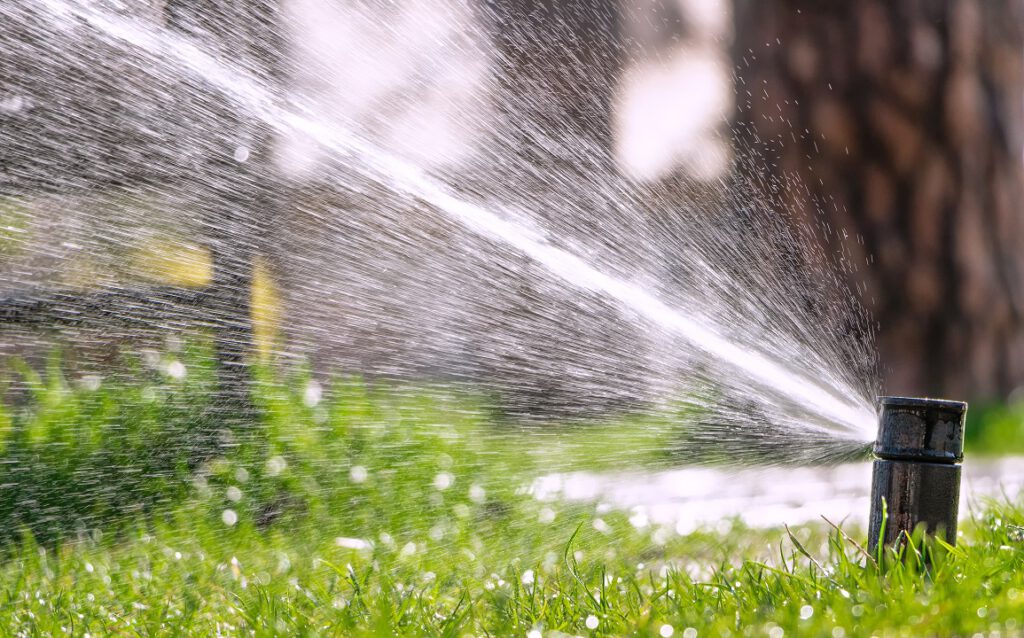
Watering deeply and correctly
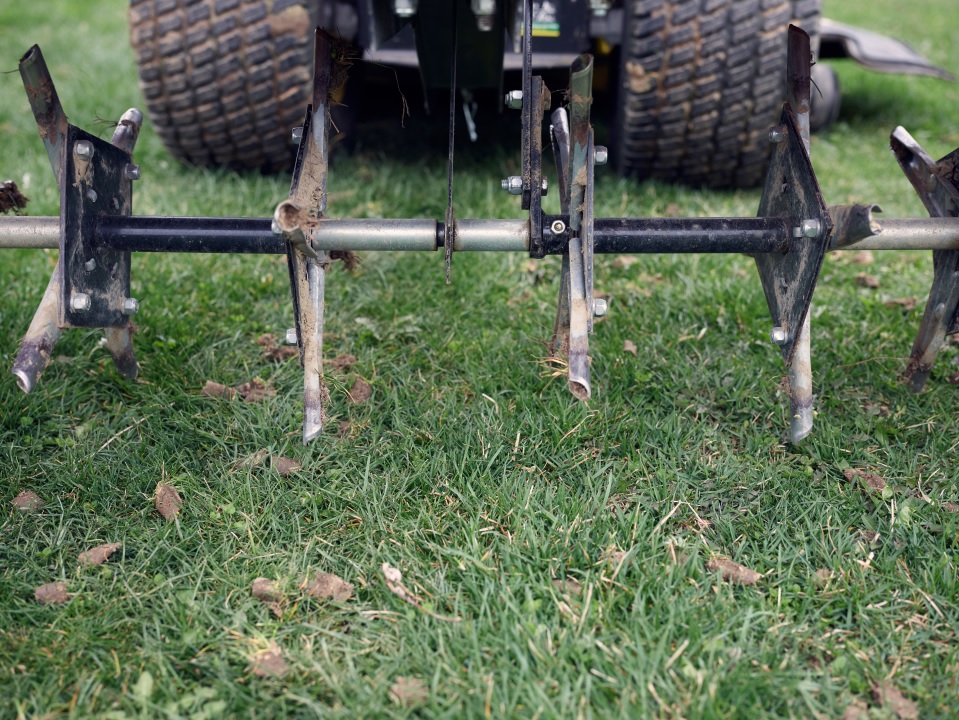
Core aeration to open compacted soil
Seeding to replace lost plants and fill thin areas
Mowing at the right height
Watering deeply and correctly
Core aeration to open compacted soil
Seeding to replace lost plants and fill thin areas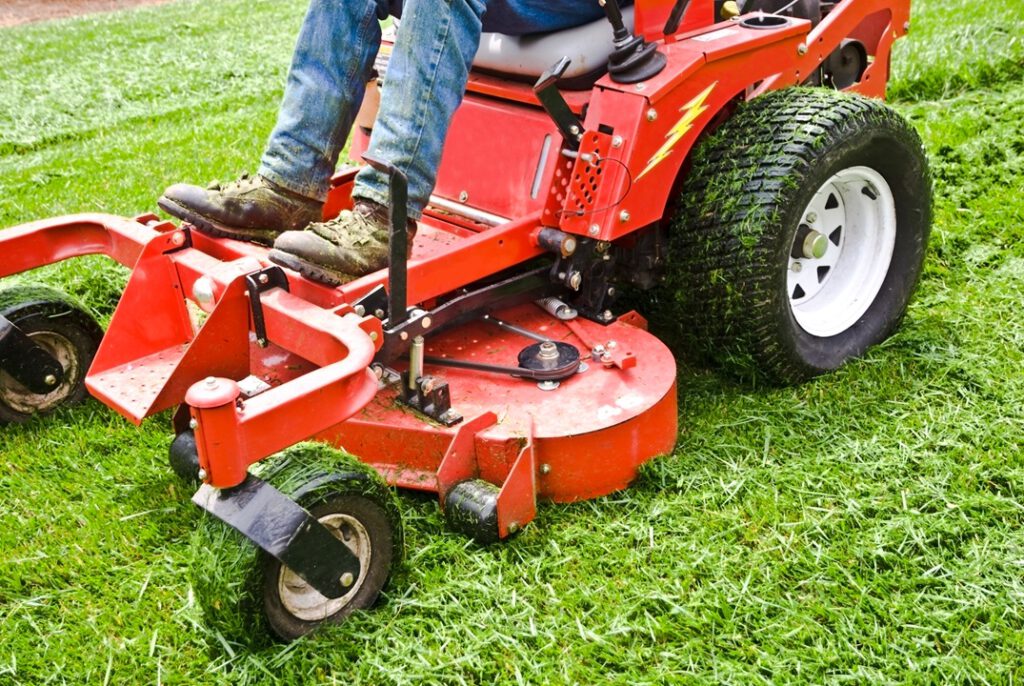
Even a well-cared-for lawn loses plants over time. Heat, traffic, disease, and wear create thin areas that need to be filled back in.
We use slit seeders from 24 inches to 84 inches wide, which lets us efficiently handle both small residential lawns and large properties.
When seeding is paired with aeration and proper mowing and watering, new grass has an excellent chance to take hold and crowd out weeds.
 Broadcast seeding to thicken existing turf.
Slice or slit seeding to place seed directly into the soil through small grooves.
Annual seeding to replace lost plants and keep the stand dense.
Broadcast seeding to thicken existing turf.
Slice or slit seeding to place seed directly into the soil through small grooves.
Annual seeding to replace lost plants and keep the stand dense.By focusing on cultural practices first, we can often use fewer pest control applications over time while still delivering a lawn that looks better and behaves better.
 Thicker grass shades the soil and leaves less room for weeds to germinate.
Deeper roots help the lawn ride out heat and dry periods with less stress.
Well-aerated soil supports stronger plants and better nutrient uptake.
Regular seeding keeps thin, bare areas from turning into weed patches.
Thicker grass shades the soil and leaves less room for weeds to germinate.
Deeper roots help the lawn ride out heat and dry periods with less stress.
Well-aerated soil supports stronger plants and better nutrient uptake.
Regular seeding keeps thin, bare areas from turning into weed patches.
If your lawn feels compacted, looks thin, or never quite responds the way you want, it may be time to focus on the cultural tools behind the scenes. Call Scientific Plant Service or request a lawn care evaluation. We will walk your property, look at your mowing and watering habits, and design an aeration and seeding plan that supports a healthier, thicker lawn with fewer problems over the long term.