Scientific Plant Service provides professional aquatic vegetation control that targets the plants causing trouble and helps restore a healthier balance in your water.
Call: 240-742-3762

Scientific Plant Services
Scientific Plant Service provides professional aquatic vegetation control that targets the plants causing trouble and helps restore a healthier balance in your water.
It’s never been easier to have a beautiful lawn. Call today for a personalized quote.
It’s never been easier to have a beautiful lawn. Fill out form below for a personalized quote.
Opt into our text messaging platform to begin your program and schedule with us today!
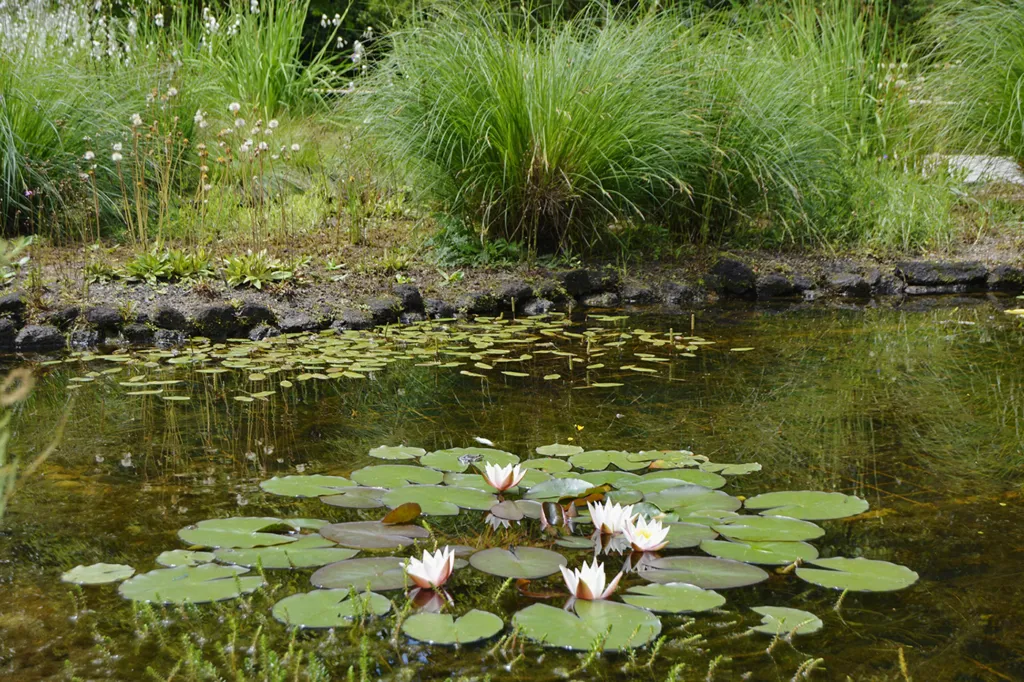
Different types of plants behave very differently in a pond. We look closely at whether growth is:
Because each group responds to different treatments, proper identification is the first and most important step.
Quite often, what looks like an “algae problem” is really a vegetation problem. Floating plants, submerged weeds and filamentous algae can appear similar from a distance. Treating the wrong thing wastes time and money and may not improve the pond at all.
Once we know exactly what is growing, we can design a plan that targets the problem plants without unnecessarily harming the rest of the system.
 A visual inspection of the entire pond or lake edge.
Identification of the dominant plant species present.
Assessment of coverage, depth, and overall plant density.
A discussion of how the pond is being used and what your goals are.
A visual inspection of the entire pond or lake edge.
Identification of the dominant plant species present.
Assessment of coverage, depth, and overall plant density.
A discussion of how the pond is being used and what your goals are.Every site is different, so we tailor vegetation control plans to the specific water body. A typical program may include:
Step
1
Site evaluation
We map out plant growth, note depth changes, inflows and outflows, and look at how surrounding land use might be affecting the pond.
Step
2
Control strategy selection
Depending on the species and density, we may recommend:
- Selective use of approved aquatic herbicides.
- Spot treatments in heavy growth areas.
- Supportive use of pond dyes and shading to limit regrowth.
- Integration with algae control and phragmites control where needed.
Step
3
Professional application
Licensed applicators treat the vegetation at the proper time and rate. Treatments are carefully placed to limit impact on desirable plants and to stay within regulatory requirements.
Step
4
Monitoring and follow up
We track how the pond responds and adjust treatments as necessary. Many vegetation issues benefit from a multi year approach, especially when dense stands have been in place for a long time.
Working with an experienced aquatics team offers several advantages:
Vegetation control works best when it is part of a broader aquatics management plan.
Together, these services help keep your pond or lake cleaner, easier to maintain and more attractive throughout the season.
Algae control programs.
Phragmites control along banks and ditches.
Shades and dyes to help limit sunlight penetration.
Resident Canada geese control on surrounding turf.If unwanted aquatic plants are taking over your pond or lake, call Scientific Plant Service or request an aquatics evaluation. We will identify the vegetation that is causing problems, explain your options and design a vegetation control program that fits your site and long term goals.